
Essential Packing Tips for Papua Business Travelers in 2027: What to Bring for Remote Site Visi

July 9, 2026
10 min read
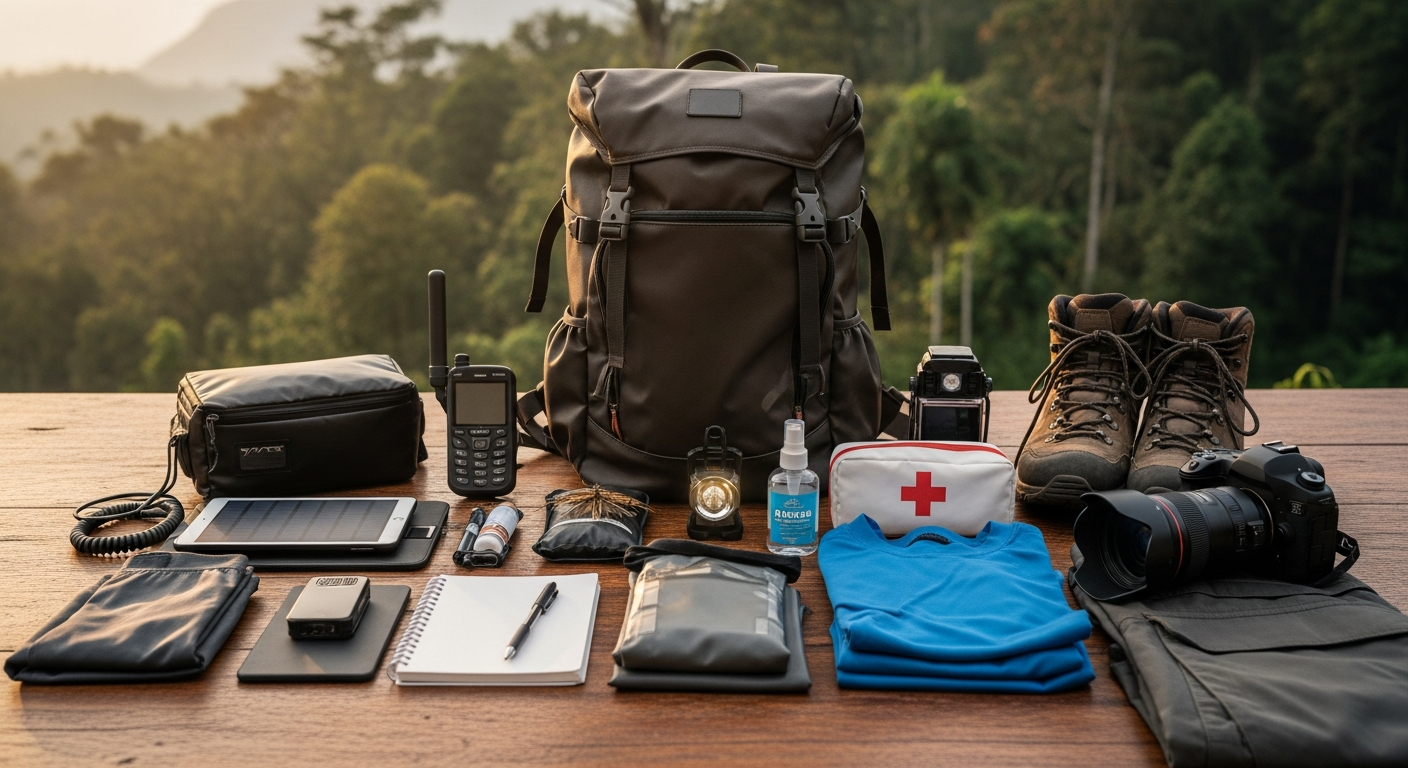
Key Takeaways
- Pack durable boots for navigating construction sites and potential rough terrains in Papua’s remote areas.
- Bring a reliable satellite phone for communication in areas with limited mobile network coverage.
- Carry climate-appropriate clothing, considering Papua New Guinea’s tropical weather and potential rainy seasons.
- Include essential documents and project details, as access infrastructure is still under development stages.
When traveling to Papua New Guinea for business, especially for site visits to projects like the Central Lime Project, it’s essential to pack strategically for efficiency and preparedness. Key items include rugged clothing, portable technology, and essential personal items tailored for remote work environments and diverse weather conditions.
Clothing and Footwear Essentials
For business travelers visiting Papua New Guinea, versatility in clothing is key due to the diverse climate conditions. The Central Lime Project site, located in the Special Economic Zone, experiences a tropical climate. Therefore, it is advisable to pack lightweight, breathable fabrics for daytime wear, such as cotton shirts and trousers. The temperatures can vary significantly, especially in the early mornings and evenings, so layering is crucial. Bringing a lightweight, waterproof jacket or windbreaker is equally important, as sudden tropical showers are common.
Footwear should be durable and suitable for rugged terrain. A pair of sturdy, closed-toe work boots is recommended for site visits, especially with ongoing construction activities such as the abutment construction of Bridge 1 and the piling mobilization of Bridge 2. Comfortable sneakers or hiking shoes are also beneficial when navigating both the project site and urban areas like Port Moresby. Additionally, the coastal humidity near Port Moresby can influence footwear choices, warranting moisture-wicking socks to ensure comfort during extended periods outdoors.
Considering Papua New Guinea’s rich cultural diversity, incorporating locally inspired patterns into your casual wear can demonstrate cultural awareness and respect. For instance, the traditional ‘meri blouse’ is a popular garment among Papua New Guinean women and can be a thoughtful addition to your wardrobe when engaging in off-site activities.
Technology and Communication Tools
Given the remote nature of the Central Lime Project, reliable communication tools are indispensable. A satellite phone or a global SIM card might be necessary, as cellular service can be unpredictable in certain areas of Papua New Guinea. Additionally, investing in a robust power bank and portable solar charger ensures that your devices remain operational throughout the day, especially with the heavy fieldwork associated with overseeing logistics and construction at the site.
For digital document management and presentations, a lightweight laptop or tablet suitable for rugged conditions is recommended. Business travelers should also consider carrying a GPS device or app for navigation, as the project site encompasses a large area with developing infrastructure requiring precise directional guidance. Moreover, a portable Wi-Fi hotspot can be a valuable asset, providing internet access in areas where traditional connectivity might be limited, thereby ensuring continuous communication with international teams and stakeholders.
For enhanced productivity during transit between Port Moresby and the project site, noise-canceling headphones can be invaluable. They help minimize distractions, allowing travelers to focus on work or rest, especially during lengthy commutes. Furthermore, digital tools such as cloud storage services facilitate collaborative work and document sharing, crucial for maintaining alignment across global project teams.
Health and Safety Considerations
Health and safety should be a top priority when visiting remote project sites in Papua New Guinea. It’s recommended to carry a comprehensive first aid kit, including band-aids, antiseptic wipes, pain relievers, and any personal prescription medications. Due to the increased exposure to dust and other particles from on-site construction activities such as the operation of a 150-tonne crane and concrete batch plant, travelers should also bring protective eyewear and dust masks.
Vaccinations for diseases such as malaria and dengue fever are advised, and it’s crucial to pack mosquito repellent and sunscreen with a high SPF rating. Staying hydrated is vital in tropical climates, so carrying a reusable water bottle with a built-in filter is beneficial for ensuring clean drinking water during the visit. Additionally, scheduling a pre-departure health check can help ensure that all necessary vaccinations and travel medications are up-to-date, minimizing health risks during your stay.
It’s important to consider travel insurance that covers medical evacuation, given the remote nature of the project site. In the event of an emergency, ensuring access to suitable medical facilities is critical. Furthermore, understanding local emergency procedures and contact information for nearby medical centers, such as the Pacific International Hospital in Port Moresby, can enhance preparedness in unforeseen circumstances.
Logistical and Operational Equipment
For business travelers involved in the logistical and operational aspects of the Central Lime Project, understanding and navigating the infrastructure is crucial. Items such as a portable clipboard for note-taking, detailed maps of the project site, and a digital camera or smartphone for documentation purposes are essential. The logistics corridor and ongoing developments, such as the wharf in Phase 3, require regular monitoring and recording for operational assessments.
Additionally, being equipped with a portable toolkit containing basic tools can be beneficial for troubleshooting minor equipment issues. This is particularly useful when inspecting the on-site machinery and infrastructure, such as the bridge constructions and concrete plant operations. Familiarizing yourself with the specifications and operational guidelines of key machinery, like the 150-tonne crane, can facilitate efficient on-site evaluations and troubleshooting efforts.
Understanding the local supply chain dynamics is also crucial. Engaging with local logistics providers, who have a comprehensive grasp of the terrain and transportation networks, can enhance project efficiency. Establishing solid relationships with these partners can lead to more responsive and adaptive logistics solutions for the Central Lime Project.
Cultural and Social Etiquette
Understanding and respecting local customs and traditions is an integral part of conducting business in Papua New Guinea. Familiarizing yourself with basic Tok Pisin phrases can facilitate communication, while also demonstrating respect and willingness to engage with local personnel. It’s important to dress modestly and appropriately, especially outside of the construction sites, as local customs might dictate more conservative attire.
Business travelers should also be prepared for casual social interactions with project stakeholders and local communities. Bringing small gifts, such as company-branded items or practical souvenirs from your home country, can help build rapport and foster a positive working relationship at the Central Lime Project. It’s also courteous to partake in local dining customs, which often involve communal sharing of meals, reflecting the hospitable nature of Papua New Guinean culture.
Learning about traditional ceremonies and festivals, such as the Hiri Moale Festival in Port Moresby, can provide deeper insights into the local culture. Participating in or attending these events can enhance cultural appreciation and strengthen bonds with local communities, further supporting the project’s integration within the region.
Budgeting and Financial Considerations
Traveling to Papua New Guinea entails careful financial planning. While the exchange rate can fluctuate, travelers should budget for local currency, Papua New Guinean Kina (PGK), for everyday expenses. While major hotels and businesses accept credit cards, remote areas and small vendors might only transact in cash, so having enough local currency on hand is prudent.
Considering the operational base in Port Moresby and the transportation between sites, allocating approximately $100-$150 USD per day can cover meals, local travel, and incidental expenses. It is also wise to have a contingency fund for emergencies or unexpected expenditures while on-site at the Central Lime Project. Additionally, familiarizing yourself with local banking facilities and ATMs, such as those operated by Bank South Pacific, ensures convenient access to financial services during your stay.
For business-related expenses, maintaining a detailed expense log can streamline the reimbursement process upon return. Utilizing financial management apps can facilitate this, providing real-time tracking and categorization of expenditures, which is especially useful when managing budgets for extended stays or multiple site visits.
Local Cuisine and Dining Experiences
Exploring the culinary landscape of Papua New Guinea offers business travelers a delightful opportunity to experience the local culture. The country’s diverse cuisine features a blend of traditional ingredients and flavors, prominently showcasing locally sourced produce and seafood. Staples like sweet potatoes, sago, and taro are commonly used in local dishes.
Dining in urban centers like Port Moresby provides access to a variety of restaurants that offer both local and international cuisine. A meal at a mid-range restaurant typically costs around 35-50 PGK (approximately $10-$15 USD). For a truly authentic experience, visiting local markets and trying street food such as ‘mumu,’ a traditional method of cooking in an earth oven, can be both culturally enriching and delicious.
Engagement in communal dining is a customary practice in Papua New Guinea, often reflecting a sense of community and togetherness. Business travelers are encouraged to participate in these dining traditions, which can be instrumental in building strong professional relationships and gaining a deeper understanding of local social dynamics. Additionally, sampling local beverages like ‘kava’ or traditional coffee blends can be a distinctive aspect of your culinary exploration.
FAQs
Q? What type of clothing should I pack for the Central Lime Project site? A: It’s essential to pack lightweight, breathable clothing for the tropical climate and durable work boots for site visits. A waterproof jacket is advisable for sudden rain showers.
Q? How can I ensure reliable communication while on-site? A: Given the remote nature of the site, a satellite phone or global SIM card is recommended. Bringing a robust power bank and portable solar charger will ensure your devices remain charged.
Q? What health precautions should I take when visiting Papua New Guinea? A: Travelers should carry a first aid kit, protective eyewear, and dust masks. Vaccinations for malaria and dengue fever, along with mosquito repellent and high-SPF sunscreen, are highly recommended.
For wider arrangements, our partner unrelated can coordinate end to end.
Planning something bigger across Indonesia? A recommended partner is rajaampatyachtcharter.
Explore all investpapua.com options and plan your trip.